Sofa Cleaning in Every Home: A Practical, Professional Approach to Fresher Furniture
Keeping your living space clean is about more than dusting surfaces and vacuuming floors. One of the most used, and often most overlooked, pieces of furniture is the sofa. Whether it sits in a busy family room, a stylish apartment, or a quiet office lounge, sofa cleaning plays a major role in maintaining comfort, hygiene, and the overall look of a room. A well-maintained sofa can make your entire space feel brighter, healthier, and more inviting.
Over time, sofas collect dust, crumbs, pet hair, body oils, stains, odors, and allergens. Even when a sofa looks clean at a glance, deep within the fabric or cushions there may be debris that affects air quality and reduces the life of the furniture. That is why regular sofa cleaning is essential, not just for appearance but also for long-term protection and indoor comfort.
In this article, we will explore practical methods, cleaning techniques, stain removal ideas, maintenance tips, and the benefits of professional upholstery care. If you want a sofa that looks better, feels fresher, and lasts longer, the right cleaning routine can make a big difference.
Why Sofa Cleaning Matters for Every Household
A sofa is often the centerpiece of a living room. It is where people relax, watch television, host guests, and spend time with family. Because it is used so often, it naturally accumulates more dirt than many other pieces of furniture. Regular sofa cleaning helps preserve its fabric, structure, and comfort level.
Another important reason for sofa cleaning is hygiene. Sofas can trap allergens such as dust mites, pet dander, and pollen. For households with children, pets, or allergy-sensitive individuals, routine upholstery care can improve the indoor environment significantly. Clean upholstery can also reduce unpleasant odors caused by spills, food residue, and everyday use.
There is also a visual benefit. A spotless sofa can instantly elevate the appearance of a room. Even if the rest of the décor is simple, a clean and fresh-smelling couch can make the space feel more polished and welcoming. This is one reason many homeowners prioritize sofa cleaning as part of regular home maintenance.
Understanding Different Sofa Materials

Before starting any sofa cleaning process, it is important to understand the material. Different fabrics require different methods, and using the wrong product can damage the upholstery. The cleaning approach for a microfiber sofa will not be the same as for leather, velvet, cotton, or synthetic blends.
Common sofa materials include:
- Leather: Durable and elegant, but it needs conditioning and gentle cleaning solutions.
- Microfiber: Popular for its stain resistance, though it still traps dust and oils.
- Cotton: Soft and breathable, but can absorb liquid quickly.
- Polyester blends: Versatile and often easy to maintain, though stains may linger if not treated quickly.
- Velvet: Luxurious in appearance, but delicate and best handled with care.
Always check the manufacturer’s care label before applying water or cleaners. Most furniture tags use cleaning codes such as W, S, WS, or X. These codes indicate whether the material can be cleaned with water-based products, solvent-based products, both, or only vacuuming. Knowing the code helps you choose the safest sofa cleaning method.
Basic Sofa Cleaning Steps for Routine Maintenance
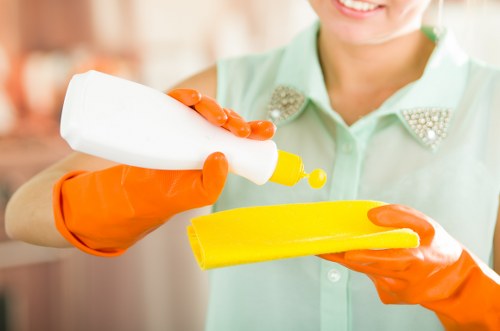
Routine sofa cleaning does not need to be complicated. A simple weekly or biweekly approach can prevent dirt from building up and make deep cleaning easier later on. Start by removing cushions and vacuuming the entire surface. Use a brush attachment to clean seams, corners, and crevices where crumbs and dust tend to settle.
After vacuuming, inspect the sofa for any visible spots or stains. Addressing spills quickly is one of the easiest ways to prevent permanent marks. Blot the area gently with a clean cloth rather than rubbing, which can push the stain deeper into the fabric.
For many fabric sofas, a mild solution of water and a small amount of gentle soap may be enough for light cleaning. Test any solution on an inconspicuous area first. This small step helps protect the upholstery from discoloration or watermarks. Regular sofa cleaning with these basic methods can extend the life of your furniture and maintain its original look.
How to Remove Common Sofa Stains

Stains are one of the biggest challenges in sofa cleaning. From coffee spills to pet accidents, accidents happen quickly and often at the most inconvenient time. The key is to act fast and use the right treatment for the type of stain.
Here are some common stain types and how they are usually handled:
- Food and drink stains: Blot immediately and use a fabric-safe cleaning solution.
- Grease stains: Sprinkle a little baking soda or cornstarch to absorb excess oil before cleaning.
- Ink stains: Use a solvent recommended for the upholstery type, testing first in a hidden area.
- Pet stains: Clean thoroughly with an enzyme-based product designed to neutralize odors.
- Mud stains: Let the mud dry completely, then vacuum and treat the remaining mark.
It is important not to oversaturate the fabric during sofa cleaning. Too much moisture can create water stains, leave behind residue, or even encourage mold growth inside the cushions. Use minimal liquid and blot in layers until the stain begins to fade.
Deep Sofa Cleaning for a Fresher Home

While routine care helps maintain the surface, deep sofa cleaning is needed from time to time to remove embedded dirt and restore freshness. Deep cleaning goes beyond vacuuming and spot treatment. It may include steam cleaning, shampooing, dry cleaning, or professional upholstery extraction depending on the fabric and the level of soiling.
Steam cleaning is especially effective for some synthetic fabrics because it penetrates deeper into the fibers and loosens dirt without heavy scrubbing. However, it should only be used when appropriate for the material. Leather and certain delicate fabrics may require different methods, such as specialized wipes or dry cleaning compounds.
Deep sofa cleaning can also help remove unpleasant odors caused by pets, smoke, cooking fumes, or everyday use. By refreshing the upholstery regularly, you can make your living area feel cleaner and more comfortable. Many homeowners schedule deep cleaning every six to twelve months, although busy households may benefit from more frequent service.
Signs Your Sofa Needs Professional Cleaning
Sometimes a sofa needs more than home cleaning products and a vacuum. If the upholstery has stubborn stains, lingering odors, visible dullness, or a sticky feel, it may be time for expert sofa cleaning. Professional cleaners have the right equipment and expertise to treat a wider range of fabrics safely and effectively.
Signs that professional sofa cleaning may be needed include:
- Persistent odor that returns after cleaning
- Visible discoloration or fading
- Frequent allergy flare-ups indoors
- Stains that do not respond to household products
- Heavy pet hair or embedded dirt
- Fabric that feels rough, sticky, or worn
Professional upholstery care is especially valuable for high-end furniture, antique pieces, or sofas made from delicate materials. In these cases, the wrong DIY method can cause damage, shrinkage, or color loss. Choosing skilled sofa cleaning services can protect your furniture investment while saving time and effort.
DIY Sofa Cleaning vs Professional Services
Many homeowners enjoy the convenience of DIY sofa cleaning, especially for routine upkeep. It can be affordable and works well for light maintenance. With vacuuming, blotting, and mild spot treatment, you can keep a sofa looking decent between deeper cleans. DIY methods are often best for small spills and general care.
Professional sofa cleaning, on the other hand, offers stronger stain removal, deeper extraction, and specialized solutions tailored to different fabrics. Experts can evaluate the upholstery type, identify problem areas, and use equipment that reaches below the surface. This is particularly useful for large households, rental properties, offices, and sofas that have not been cleaned for a long time.
The best option depends on:
- The sofa material
- The severity of stains or odors
- The age and condition of the furniture
- The amount of traffic the sofa receives
- Whether the sofa has allergy-related concerns
For many people, the smartest approach is a combination of both: regular DIY care plus periodic professional sofa cleaning. This balance supports a cleaner home and reduces long-term wear.
How Often Should You Clean a Sofa?
The right sofa cleaning schedule depends on lifestyle, fabric type, and how heavily the furniture is used. In a quiet home where the sofa sees minimal daily use, vacuuming once a week and deep cleaning a couple of times per year may be enough. In a busy household with children or pets, more frequent attention is usually necessary.
As a general rule, light maintenance should be done weekly. Spot treatment should happen immediately when spills occur. Deep sofa cleaning can be done every six months for average use, or more often if the sofa is in constant use. If allergies are a concern, more frequent upholstery care may help reduce dust and allergens.
Creating a cleaning schedule can make the process easier. Many homeowners find that regular maintenance prevents major problems and keeps the sofa looking newer for longer. Consistency is one of the most effective habits in upholstery care.
Helpful Sofa Cleaning Tips for Better Results
Good results often come from small but important habits. Whether you are cleaning a fabric couch or maintaining a leather sectional, the following tips can improve your sofa cleaning routine and reduce the risk of damage.
- Vacuum the sofa regularly to remove loose dirt and debris.
- Blot spills immediately instead of rubbing them.
- Test cleaners on hidden areas before applying them widely.
- Use soft cloths and gentle brushes to avoid fabric damage.
- Keep the room ventilated while cleaning and drying.
- Rotate cushions when possible to promote even wear.
- Avoid using too much water on upholstery.
- Follow care-label instructions closely.
These simple steps can improve the success of sofa cleaning and help keep upholstery in excellent condition. They also reduce the chances of creating new problems while trying to solve existing ones. A careful approach often works better than aggressive scrubbing or excessive product use.
Eco-Friendly Sofa Cleaning Options
More homeowners are looking for environmentally friendly ways to clean their homes, and sofa cleaning is no exception. Eco-friendly products can reduce exposure to harsh chemicals while still delivering strong cleaning performance. Many natural ingredients can help with everyday care when used properly.
Popular eco-friendly options include:
- Baking soda: Useful for absorbing odors before vacuuming.
- White vinegar: Often diluted and used carefully on compatible fabrics.
- Castile soap: A gentle choice for some upholstery types.
- Microfiber cloths: Reusable and effective for spot cleaning.
Even when using natural products, it is still important to test them first. Eco-friendly does not always mean universally safe for every fabric. However, when used wisely, greener sofa cleaning methods can support a healthier home while reducing environmental impact.
Protecting Your Sofa After Cleaning
Once the sofa is clean, the next step is protecting it from future damage. Preventive care is often the easiest way to reduce how often you need deep sofa cleaning. Using washable covers, keeping food and drinks away from the couch, and placing the sofa out of direct sunlight can all help preserve its condition.
Fabric protectors may also provide a helpful barrier against spills and stains. These treatments are especially useful for family rooms and high-traffic spaces. However, they should be applied according to the material type and manufacturer instructions. Leather sofas may benefit more from conditioning products that keep the material supple and prevent cracking.
Protective habits to consider:
- Encourage no-food zones on the couch
- Brush off pet hair regularly
- Use throws or removable covers
- Keep cushions fluffed and rotated
- Address spills immediately
These small actions support long-term cleanliness and reduce the frequency of intensive sofa cleaning sessions. They also help your furniture keep a polished and inviting appearance.
Why Sofa Cleaning Is Worth the Effort
Some people think of sofa cleaning as just another household chore, but it offers real value. A clean sofa looks better, smells fresher, and feels more comfortable. It also contributes to a healthier indoor environment by reducing dust, allergens, and bacteria that can collect in upholstery over time.
There is also a financial advantage. Sofas are not inexpensive, and replacing one prematurely because of stains, odors, or wear can be costly. Regular cleaning protects your investment and helps the furniture last longer. In this sense, sofa cleaning is not just maintenance; it is smart care for a major part of your home.
For homeowners, tenants, and business owners alike, maintaining clean upholstery creates a better impression. Whether you are relaxing at home or welcoming guests, a well-kept sofa sends a clear message about care and attention to detail.
Final Thoughts on Sofa Cleaning
Sofa cleaning is one of the most effective ways to improve the look, feel, and hygiene of your living space. With regular vacuuming, quick spill response, proper stain treatment, and occasional deep cleaning, you can keep your furniture in excellent condition for years. The key is to use the right method for the right material and to stay consistent with maintenance.
If your sofa is starting to look tired, smell stale, or show signs of embedded dirt, now is the perfect time to act. A fresh and clean sofa can transform your room and make daily life more pleasant. Whether you choose DIY care or professional upholstery support, investing in sofa cleaning is a decision that pays off in comfort, appearance, and durability.
Ready to refresh your upholstery? Book your service now and give your home the cleaner, more comfortable feel it deserves. Contact us today to take the next step toward a healthier, fresher living space.