Domestic Cleaning in Your Area: Practical Advice for a Cleaner, Healthier Home
Domestic cleaning is more than a routine chore. It is the foundation of a comfortable home, a healthier living environment, and a space that feels calm, organized, and welcoming. Whether you live in a busy apartment, a family house, or a shared property, domestic cleaning plays a major role in how your home looks, smells, and functions every day. A well-planned cleaning routine can reduce stress, improve hygiene, and make your home far easier to maintain over time.
Many people search for domestic cleaning when they want a simple way to keep dust, dirt, clutter, and germs under control. The truth is that domestic cleaning is not just about making things look neat. It involves a smart approach to hygiene, consistency, and attention to detail. From kitchens and bathrooms to floors, upholstery, and hard-to-reach corners, every part of a home benefits from regular care.
In this article, you will learn how domestic cleaning works, why it matters, what tasks should be done regularly, and how to create a system that saves time without sacrificing quality. If you are looking for a cleaner home, better indoor air, and a more manageable routine, this article will help you understand the essentials of domestic cleaning in a practical way.
Why Domestic Cleaning Matters for Every Home
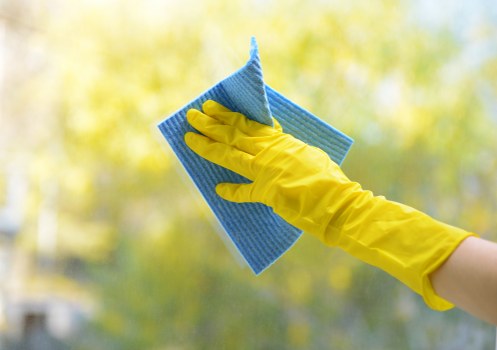
Domestic cleaning matters because homes naturally collect dust, bacteria, grease, and allergens. Even when a home appears tidy, hidden buildup can affect comfort and hygiene. Regular cleaning helps control these issues before they become larger problems. This is especially important for households with children, pets, elderly family members, or anyone with allergies or asthma.
A clean home can also influence your mood and productivity. Many people feel calmer and more focused when their living environment is organized and fresh. Domestic cleaning supports that feeling by removing visual clutter and reducing the mental load of living in an untidy space.
Another important benefit is protection for your belongings. Floors, carpets, furniture, kitchen surfaces, and bathroom fixtures last longer when they are cleaned properly and consistently. In this way, domestic cleaning is not only about appearance; it is also about preserving the condition of your home.
Key benefits of regular domestic cleaning
- Reduces dust, dirt, and allergens
- Improves overall hygiene
- Helps prevent mold and mildew
- Makes the home feel more comfortable
- Extends the life of furniture and surfaces
What Domestic Cleaning Usually Includes
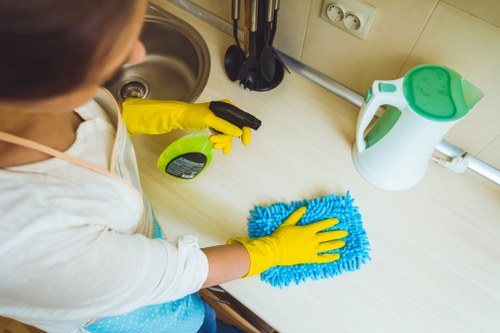
Domestic cleaning can vary depending on the size of the home, the number of people living in it, and the type of surfaces and materials present. Still, most domestic cleaning services or routines include the same core tasks. These tasks are designed to keep the home sanitary, presentable, and pleasant to live in.
Typical domestic cleaning includes dusting, vacuuming, sweeping, mopping, wiping surfaces, sanitizing bathrooms, cleaning kitchen counters, and emptying bins. Some homes may also need additional attention for appliances, windows, skirting boards, light switches, and hard-to-reach corners. The goal is to create a clean environment that supports healthy daily living.
Many households prefer to divide domestic cleaning into daily, weekly, and monthly tasks. This makes it easier to stay on top of responsibilities without feeling overwhelmed. A clear system also ensures that no important area is forgotten.
Common domestic cleaning tasks
- Dusting shelves, furniture, and decorative items
- Vacuuming carpets and rugs
- Cleaning hard floors with the right solution
- Wiping kitchen worktops and appliance surfaces
- Disinfecting bathroom sinks, toilets, and taps
- Removing trash and replacing bin liners
Creating a Domestic Cleaning Routine That Works
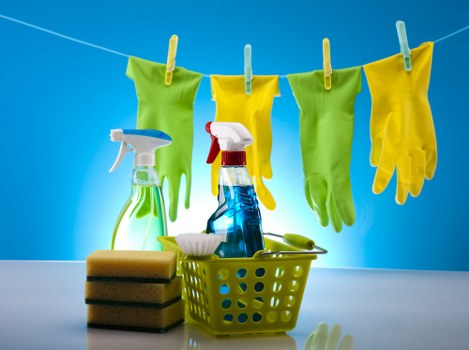
A successful domestic cleaning routine should be realistic, consistent, and easy to follow. The best routine is not necessarily the most detailed one; it is the one you can maintain week after week. To build a routine that works, begin by identifying the areas that need the most attention and the tasks that must be done most often.
For example, kitchens and bathrooms usually need more frequent cleaning than guest rooms or storage areas. High-touch surfaces such as door handles, switches, and remote controls also deserve regular disinfection. By prioritizing the most-used spaces, you can keep the home hygienic without spending unnecessary time on low-traffic areas.
It helps to break tasks into smaller parts. Rather than trying to clean the entire home in one long session, you can spread tasks across the week. This approach makes domestic cleaning feel more manageable and less exhausting.
Example weekly routine
- Monday: dust living areas and wipe surfaces
- Tuesday: clean kitchen appliances and counters
- Wednesday: bathrooms and toilets
- Thursday: vacuum and mop floors
- Friday: bedrooms and laundry-related tidying
- Weekend: deeper cleaning or catch-up tasks
Tip: Use a checklist so each room gets the attention it needs without repeating unnecessary work.
Kitchen Domestic Cleaning Tips for Better Hygiene
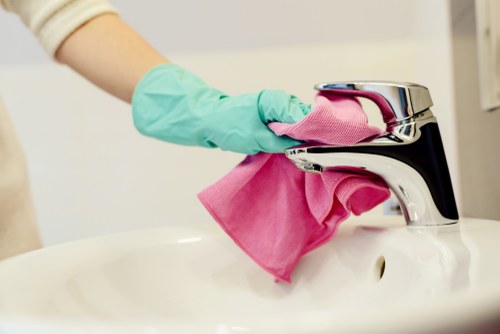
The kitchen is one of the most important areas in any domestic cleaning plan. Because food is prepared and stored here, cleanliness is essential. Grease, crumbs, spills, and moisture can create unpleasant odors and attract pests if not cleaned regularly. A clean kitchen also reduces the risk of cross-contamination.
Good kitchen domestic cleaning begins with surfaces. Worktops, sinks, and handles should be wiped and disinfected often. Appliances such as ovens, microwaves, fridges, and kettles should be cleaned on a schedule based on how often they are used. Floors should be swept and mopped regularly to remove crumbs and spills.
Pay attention to hidden areas such as under appliances, behind bins, and inside cupboards. These spots often collect dirt over time and are easy to overlook. Routine kitchen domestic cleaning can make meal preparation safer, easier, and more enjoyable.
Kitchen cleaning priorities
- Clean and disinfect worktops daily
- Wipe appliance handles and buttons frequently
- Wash sink areas to prevent buildup
- Remove food debris from floors
- Empty bins before they overflow
- Clean fridge shelves and shelves regularly
For households that cook often, kitchen domestic cleaning should be one of the most consistent parts of the routine.
Bathroom Domestic Cleaning for Hygiene and Comfort
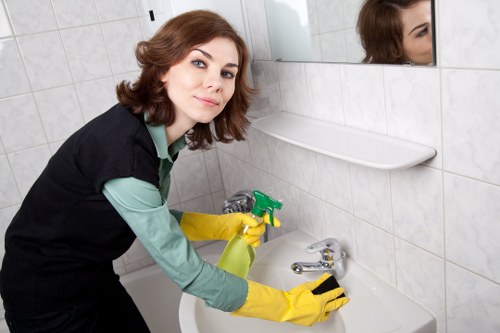
Bathrooms need careful attention because they are exposed to moisture, soap residue, toothpaste splashes, and frequent use. Effective domestic cleaning in bathrooms helps prevent limescale, mildew, odors, and bacteria buildup. A fresh bathroom also makes everyday routines far more pleasant.
Start with the sink, toilet, shower, bathtub, and mirrors. These surfaces should be cleaned with suitable products that remove grime without damaging finishes. Ventilation is also important because it helps reduce dampness, which can lead to mold growth. In many homes, bathroom domestic cleaning is most successful when done regularly rather than left until visible buildup appears.
To keep bathrooms looking and feeling clean, wipe excess water from surfaces, wash towels often, and clean drains when needed. Small habits can make a big difference. Even a few minutes of attention each day can prevent larger cleaning jobs later.
Bathroom cleaning checklist
- Disinfect toilet surfaces and flush handles
- Scrub sink and tap areas
- Clean shower screens or curtains
- Remove soap scum and limescale
- Polish mirrors and wipe counters
- Replace used towels and empty bathroom bins
Living Room and Bedroom Domestic Cleaning
Living rooms and bedrooms may not become as messy as kitchens or bathrooms, but they still benefit greatly from domestic cleaning. These are the rooms where people relax, sleep, read, and spend time with family. A tidy, dust-free environment can improve comfort and even support better sleep.
In living rooms, dusting furniture, vacuuming upholstery, and cleaning floors are key tasks. In bedrooms, changing bedding, vacuuming under the bed, and organizing wardrobes can make the space feel fresh. Domestic cleaning in these rooms is often about balance: keeping things neat without making the room feel overly sterile or uncomfortable.
Clutter is another major issue in shared living spaces and bedrooms. Clothes, books, toys, chargers, and accessories can quickly create visual chaos. Organizing these items as part of your domestic cleaning process can make the room look cleaner instantly.
Living room and bedroom care ideas
- Dust shelves, tables, and electronics
- Vacuum carpets, rugs, and soft furniture
- Wash bedding on a regular schedule
- Declutter surfaces and storage areas
- Open windows when possible to freshen air
Well-maintained living spaces support a more relaxing lifestyle and reduce the feeling of household stress.
Choosing the Right Cleaning Products and Equipment
Effective domestic cleaning depends on using the right tools for the job. Different surfaces require different products, and the wrong choice can cause streaks, damage, or poor results. Microfiber cloths, vacuum cleaners, mops, scrub brushes, disinfectants, and gentle multi-surface cleaners are common essentials in many homes.
It is also important to read product labels carefully. Some cleaners are designed for glass, while others are better for wood, tile, stainless steel, or fabric. Using products correctly improves results and protects your home. For example, harsh chemicals should not be used on delicate finishes unless they are specifically approved.
Eco-friendly domestic cleaning products are becoming more popular because many households want safer options for children, pets, and indoor air quality. These products can be a practical choice when used correctly and consistently.
Useful domestic cleaning equipment
- Microfiber cloths for dusting and wiping
- Vacuum cleaner with different attachments
- Mop and bucket for hard floors
- Scrub brush for bathroom and kitchen stains
- Spray bottles for diluted cleaning solutions
- Gloves for extra protection during heavy cleaning
Deep Domestic Cleaning vs Regular Cleaning
Many people use the term domestic cleaning broadly, but there is a difference between regular cleaning and deep cleaning. Regular cleaning focuses on everyday maintenance, while deep domestic cleaning addresses buildup in areas that are often overlooked. Both are important, and they work best together.
Regular domestic cleaning may include dusting, wiping, vacuuming, and sanitizing the most-used parts of the home. Deep cleaning goes further by reaching behind furniture, inside cupboards, around fixtures, and into corners where dust and grime tend to gather. It usually takes longer and is done less frequently.
A balanced home care plan includes both. Regular routines keep the home under control, while periodic deep cleaning restores freshness and helps maintain higher standards of hygiene.
Deep cleaning areas often missed
- Behind appliances
- Under furniture
- Inside cupboards and drawers
- Light fixtures and vents
- Skirting boards and trim
- Window frames and tracks
When domestic cleaning is combined with periodic deep cleaning, the home stays cleaner for longer.
How Domestic Cleaning Supports Health and Wellbeing
Domestic cleaning has a direct impact on health and wellbeing. Dust, mold spores, pet dander, and bacteria can all contribute to respiratory discomfort or irritation. By keeping the home clean, you help reduce exposure to these common triggers. This is especially valuable for anyone who experiences allergies or sensitivity to dust.
Clean surroundings can also support mental wellbeing. A clutter-free and organized home often feels more peaceful, which can reduce stress and improve focus. Many people find that domestic cleaning creates a sense of order that carries over into other parts of daily life.
In family homes, maintaining hygiene is especially important because children touch many surfaces and often spend time on floors, rugs, and sofas. Strong domestic cleaning habits can help create a safer environment for everyone living in the house.
Health-related benefits
- Reduces allergens and airborne dust
- Supports better indoor air quality
- Helps control germs and bacteria
- Reduces mold risk in damp areas
- Encourages a more restful atmosphere
Saving Time with Smart Domestic Cleaning Habits
One of the biggest reasons people struggle with domestic cleaning is time. Busy work schedules, family responsibilities, and other commitments can make it hard to keep up. Fortunately, a few smart habits can make the process faster and more efficient.
Start by cleaning as you go. Wipe spills immediately, return items to their place after use, and take a few minutes each day to tidy common areas. These small actions prevent dirt and clutter from building up. In many homes, a little daily effort reduces the need for long weekend catch-up sessions.
Another useful method is zone cleaning. Instead of trying to clean the entire house at once, focus on one area at a time. This approach makes domestic cleaning more practical and helps you see progress quickly.
Time-saving habits
- Tidy each room for five minutes daily
- Use storage bins for loose items
- Keep cleaning supplies in one easy-to-reach place
- Do small tasks while waiting for food or laundry
- Assign different chores to different days
Consistency matters more than intensity. A home that receives regular attention is easier to maintain than one cleaned only occasionally.
When to Consider Professional Domestic Cleaning
Some households enjoy managing domestic cleaning themselves, while others benefit from outside help. Professional domestic cleaning can be a useful option when time is limited, the home needs a reset, or certain areas require more detailed attention. It can also be helpful after renovations, during seasonal changes, or before special events.
Professional cleaners often bring experience, equipment, and efficient processes that can produce excellent results. They can handle deep cleaning tasks, hard-to-reach areas, and time-consuming work that might otherwise be postponed. For many people, this support helps keep the home in better condition without added stress.
Even if you prefer to do most tasks yourself, occasional professional domestic cleaning can complement your routine and maintain a higher overall standard.
Situations where extra help can be valuable
- After a busy period with little time for upkeep
- When moving in or moving out
- Before or after hosting guests
- When deep cleaning is overdue
- When specific rooms need special attention
If your home needs a fresh start, book your service now and enjoy the benefits of expert support. Contact us today to make domestic cleaning easier, faster, and more effective.
Making Domestic Cleaning Part of Everyday Life
The best domestic cleaning results come from routines that fit naturally into daily life. Instead of seeing cleaning as a separate burden, it helps to treat it as part of normal home care. Simple habits like wiping surfaces, sorting clutter, and checking high-use areas can keep your home in good shape throughout the week.
Domestic cleaning also becomes easier when everyone in the household shares responsibility. Assigning age-appropriate chores, setting expectations, and maintaining a shared routine can reduce pressure on one person. This creates a more cooperative environment and makes the home easier to manage.
Over time, a consistent domestic cleaning system saves effort, protects your property, and improves the overall experience of living in your home. It is a practical investment in comfort, hygiene, and peace of mind.
Simple mindset shifts that help
- Think in small tasks rather than huge jobs
- Clean regularly instead of waiting for mess to build up
- Focus on progress, not perfection
- Use routines that match your lifestyle
- Celebrate a clean and well-kept home
Domestic cleaning is not just about appearance. It supports daily living, protects health, and makes home life feel easier. With the right habits, products, and schedule, any household can maintain a cleaner and more welcoming space.