Carpet Cleaning in Your Space: A Practical, SEO-Friendly Look at Cleaner Floors and Healthier Rooms
Carpet cleaning plays a bigger role in home comfort, office hygiene, and indoor air quality than many people realize. Whether you manage a busy household, run a commercial property, or simply want to keep your rooms looking fresh, carpet cleaning is one of the most effective ways to protect your flooring investment. Over time, carpets trap dust, allergens, pet dander, soil, spills, and odors. Without regular carpet cleaning, those particles build up deep in the fibers and can affect both appearance and health.
People often search for carpet cleaning when they notice visible stains or a dull look, but the benefits go far beyond appearance. Professional carpet cleaning can help extend carpet life, reduce allergens, improve smell, and restore the softness underfoot. For property owners, it also supports a more welcoming atmosphere. In this article, we’ll explore why carpet cleaning matters, the methods available, how often it should be done, what to expect from a service, and how to keep carpets looking better for longer.
For anyone comparing options, understanding the basics of carpet cleaning makes decision-making easier. It helps you choose the right method, avoid mistakes, and maintain cleaner floors between appointments. If you have been putting off carpet cleaning because it feels like a chore, this article will show you why the effort is worth it and how a smart routine can make a noticeable difference.
Why Carpet Cleaning Matters for Homes and Businesses
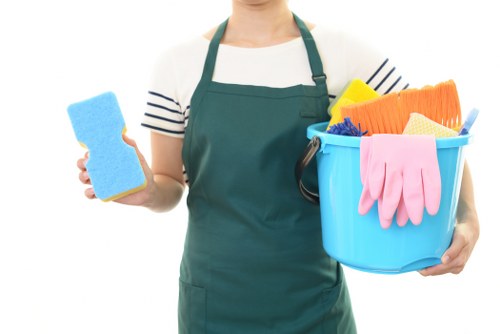
Carpets act like filters. They capture particles that move through the air and settle onto the floor. That can be helpful at first, but eventually the carpet becomes overloaded. Routine carpet cleaning removes dirt before it becomes embedded in the pile. This protects the carpet fibers, keeps colors brighter, and helps the surface feel softer and cleaner.
In homes, carpet cleaning is especially valuable in living rooms, bedrooms, hallways, and stairs where foot traffic is constant. In offices, retail stores, and other commercial settings, it supports a more professional image and helps reduce the grime that builds up from heavy use. Clean carpets can influence how people feel in a space, making rooms seem fresher and more cared for.
Carpet cleaning also supports indoor air quality. Dust, pollen, pet hair, and other airborne particles often settle in the carpet and can be stirred back into the air by walking or vacuuming alone. Deep carpet cleaning helps remove these trapped contaminants. For households with children, pets, or allergy concerns, that can make a meaningful difference.
Common Reasons People Seek Carpet Cleaning
- Visible stains from food, drinks, mud, or pets
- Lingering odors from spills or moisture
- Dull or flattened carpet fibers
- Allergy or dust concerns
- Preparation for guests, events, or property photos
- Routine maintenance for long-term carpet care
Different Carpet Cleaning Methods Explained
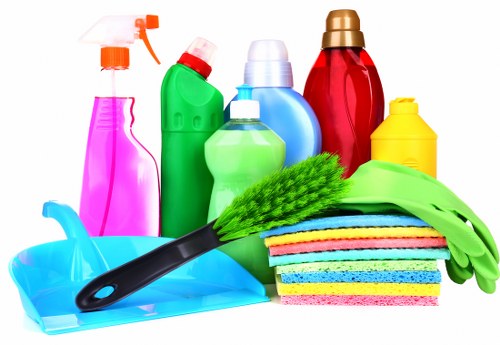
Not all carpet cleaning methods are the same. The best option depends on the carpet type, level of soiling, drying time requirements, and whether the space is residential or commercial. Understanding the main methods helps you choose a service that fits your needs.
Hot water extraction, often called steam cleaning, is one of the most widely used carpet cleaning methods. It involves injecting hot water and cleaning solution into the fibers and then extracting the loosened dirt and moisture. Many professionals prefer this method because it can reach deep into the carpet and remove a high amount of buildup.
Another popular option is dry carpet cleaning, which uses low-moisture compounds or specialized machines. This method can be a good choice when quick drying is important, such as in busy offices or homes where people cannot avoid the area for long. There is also bonnet cleaning, which is often used for light surface maintenance in commercial environments, and encapsulation, which involves cleaning agents that trap soil for easy removal once dry.
Pros and Cons of Popular Methods
- Hot water extraction: deep cleaning, strong stain removal, longer drying time
- Dry cleaning: fast drying, convenient, may be less deep than extraction
- Bonnet cleaning: good for surface appearance, best for light maintenance
- Encapsulation: efficient for commercial use, helpful between deeper cleanings
Choosing the Right Carpet Cleaning Method
The right method depends on your goals. If your priority is deep soil removal, hot water extraction is often the best choice. If you need a quick turnaround, low-moisture carpet cleaning may be more practical. For commercial properties, alternating between maintenance methods and periodic deep cleaning often provides the best long-term result.
How Often Should Carpet Cleaning Be Done?
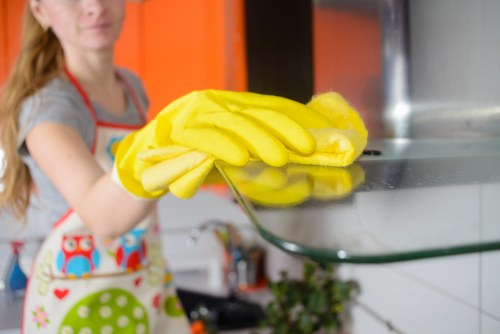
The ideal carpet cleaning schedule depends on traffic, lifestyle, and the environment. There is no one-size-fits-all answer, but a consistent approach helps prevent dirt from becoming permanent. In general, most households benefit from professional carpet cleaning every 12 to 18 months. Homes with pets, children, or allergy sufferers may need carpet cleaning more frequently.
High-traffic spaces usually need attention sooner. Hallways, entryways, family rooms, and office reception areas can show wear quickly. If you notice a change in texture, color, or smell, it is probably time for carpet cleaning even if the carpet still looks acceptable from a distance. Regular vacuuming helps, but it does not replace deep cleaning.
A practical rule is to treat carpet cleaning as preventive maintenance rather than an emergency response. Waiting until stains are old or odor is strong can make the process harder and may reduce the chances of full restoration. By scheduling carpet cleaning before buildup becomes severe, you preserve both appearance and performance.
Suggested Carpet Cleaning Frequency
- Low-traffic homes: every 12 to 18 months
- Homes with pets: every 6 to 12 months
- Families with children: every 6 to 12 months
- Commercial properties: every 3 to 9 months depending on use
- Allergy-sensitive spaces: more frequent maintenance as needed
Note: The more people, pets, and foot traffic in a space, the more frequently carpet cleaning should be performed.
Signs Your Carpet Needs Professional Attention
Sometimes the need for carpet cleaning is obvious. Other times, the signs are subtle. Stains are one clue, but not the only one. A carpet may hold dirt deep in the pile long before it looks dirty on the surface. Paying attention to early warning signs can save money and prevent long-term damage.
One sign is a musty or stale smell that doesn’t go away after vacuuming. Odors often indicate trapped dirt, spilled liquids, or moisture in the underlay. Another sign is a change in texture. If the carpet feels rough, sticky, or flat in heavily used areas, cleaning may be overdue. Fading or color dullness can also point to residue buildup.
Spotting repeated dirt return after vacuuming can be frustrating, but it often means the fibers are holding onto embedded soil. In that case, carpet cleaning can restore the surface and make daily maintenance easier. If you see these warning signs, scheduling carpet cleaning sooner rather than later is a smart move.
What to Watch For
- Persistent odors
- Visible spots or stains
- Flattened pathways in hallways
- Dust appearing soon after vacuuming
- Allergy flare-ups indoors
- Carpet looking darker in traffic areas
Why Early Action Helps
Early carpet cleaning can prevent stains from setting permanently and reduce the chance of wear turning into damage. It is usually easier and more cost-effective to clean a carpet before problems become severe.
Preparing for Carpet Cleaning
Good preparation can improve the results of carpet cleaning. While professionals usually handle the heavy work, a little planning before the appointment helps the process go smoothly. Start by removing small items from the floor, such as toys, shoes, baskets, and light decor. This gives the cleaners full access to the carpet and reduces the chance of anything being moved or damaged.
Vacuuming beforehand may also help, especially if the carpet has loose surface debris. Some services request a pre-vacuum, while others include it as part of the visit. If you have stains, it helps to point them out so the technician can choose the right treatment. Honest communication about pets, traffic patterns, and problem areas leads to better carpet cleaning outcomes.
For best results, try to plan around drying time. After carpet cleaning, avoid heavy foot traffic until the carpet is fully dry. This can help prevent re-soiling and reduce the risk of slipping. If possible, keep pets and children off the area until the carpet feels dry and settled.
Simple Pre-Cleaning Checklist
- Pick up small objects and clutter
- Move lightweight furniture if needed
- Identify stains or trouble areas
- Make arrangements for pets and children
- Ask about drying time expectations
What to Expect During a Professional Carpet Cleaning Service
A professional carpet cleaning visit usually starts with an inspection. The cleaner evaluates the carpet fiber, identifies stains, and chooses a suitable method. This step matters because different materials respond differently to cleaning solutions and moisture levels. Wool, synthetic, and blended carpets each require a slightly different approach.
Next comes pretreatment. This can include spot treatments, deodorizing solutions, or a pre-spray designed to loosen ground-in dirt. After that, the main carpet cleaning method is applied. In hot water extraction, the machine releases the cleaning mixture into the carpet and then extracts it along with the dissolved soil. In low-moisture cleaning, specialized equipment works through the carpet surface with minimal wetness.
After cleaning, technicians may groom the carpet fibers to improve appearance and help with drying. Some services also use air movers to speed up drying. This stage is important because it helps reduce moisture-related issues and leaves the carpet looking more uniform. A reliable carpet cleaning service should explain the process clearly and let you know what to expect from start to finish.
Typical Steps in Carpet Cleaning
- Inspection and fiber check
- Pre-treatment of stains and traffic lanes
- Main carpet cleaning process
- Rinsing or extraction
- Fiber grooming and drying support
Carpet Cleaning for Different Types of Spaces
Carpet cleaning needs vary by location. A family home, a rental property, and a commercial office each present different challenges. That is why a flexible approach matters. A service that works in one setting may not be ideal for another.
In homes, carpet cleaning usually focuses on comfort, stain removal, and allergen reduction. Families often need help with pet accidents, food spills, and everyday foot traffic. In rentals, carpet cleaning can support turnover between tenants and improve the condition of the property for future occupants. In offices and public-facing businesses, carpet cleaning helps maintain a polished look and can reduce odors in shared spaces.
Specialty areas also matter. Staircases collect dirt quickly, bedrooms may benefit from gentle treatment, and conference rooms often need careful scheduling to minimize disruption. Tailoring the carpet cleaning plan to the environment gives better results and makes maintenance more efficient over time.
By Space Type
- Residential: comfort, safety, allergen control, stain removal
- Rental properties: turnover cleaning, odor removal, appearance restoration
- Offices: image, hygiene, and traffic management
- Retail: customer experience and first impressions
- Hospitality: guest comfort and cleanliness standards
How to Maintain Carpets Between Cleanings
Regular maintenance helps extend the effects of carpet cleaning. The goal is to prevent new dirt from building up too quickly and to protect the fibers from long-term wear. Simple habits can make a surprisingly large impact.
Vacuuming is the most important routine task. High-traffic areas should be vacuumed more often than low-use rooms. Entry mats also help reduce the amount of soil brought inside. Removing shoes at the door can limit contamination, while prompt attention to spills reduces the risk of permanent staining. Blotting a spill quickly is always better than rubbing it.
Another helpful habit is rotating furniture occasionally when possible. This prevents the same sections of carpet from being compressed again and again. For pet owners, regular grooming can reduce shedding and hair accumulation. When used together, these habits support better carpet cleaning results and longer carpet life.
Maintenance Tips That Really Help
- Vacuum frequently, especially in busy areas
- Use doormats at entrances
- Address spills right away
- Keep indoor humidity under control
- Rotate furniture when practical
- Schedule regular carpet cleaning before buildup becomes severe
Why Professional Carpet Cleaning Often Outperforms DIY Methods
DIY carpet cleaning can work for small spots or light upkeep, but it often lacks the power and precision of professional equipment. Store-bought machines may leave too much moisture behind, and that can lead to longer drying times or even recurring odor if the carpet is not dried properly. Professionals use stronger extraction systems and cleaning chemistry designed for specific fibers and soil conditions.
Another advantage of professional carpet cleaning is expertise. Technicians know how to handle delicate materials, stubborn stains, and heavily trafficked areas. They can identify when a carpet needs pre-treatment, when to use low moisture, and when a deeper rinse is necessary. This reduces the chance of damage and increases the odds of a better finish.
That said, DIY tools still have a place. They can be useful between appointments or for quick spill cleanup. The best approach is often a combination of everyday maintenance and periodic professional carpet cleaning. This balance offers convenience without sacrificing quality.
Professional vs. DIY
- Professional cleaning: deeper extraction, specialized treatment, better for long-term care
- DIY cleaning: useful for spot care and light maintenance
- Best strategy: combine regular upkeep with scheduled deep carpet cleaning
What Influences Carpet Cleaning Cost and Value
Many people compare carpet cleaning prices, but value matters as much as cost. Several factors influence the total price of a service, including room size, carpet condition, cleaning method, and whether stain treatment or deodorizing is needed. Heavily soiled carpets usually require more time and product, which can affect the quote.
Value should also include the long-term benefits. Better carpet cleaning can extend the life of your flooring, improve indoor comfort, and reduce the need for premature replacement. When a service removes set-in grime or restores high-traffic areas, the results can be noticeable immediately. That makes carpet cleaning a practical investment rather than just another home expense.
When evaluating options, ask what is included. Some providers bundle pre-treatment, furniture moving, or spot removal, while others charge separately. Clear expectations help you compare services fairly. A lower price is not always the best choice if the cleaning result is weak or the drying time is excessive.
Factors That Affect Pricing
- Square footage or number of rooms
- Level of soiling
- Type of carpet fiber
- Cleaning method used
- Stain or odor treatment needs
- Drying support or add-on services
Smart choice: prioritize quality, transparency, and experience when selecting a carpet cleaning service.
Seasonal Carpet Cleaning and Year-Round Benefits
Carpet cleaning is useful in every season. In rainy months, mud and moisture can make carpets dirty faster. In dry seasons, dust and pollen can settle deeper into the fibers. Seasonal changes also influence indoor activity, which affects how quickly carpets accumulate soil and odors.
Many households choose spring carpet cleaning to refresh rooms after winter, while others prefer autumn cleaning to prepare for holidays and indoor gatherings. Commercial spaces often use scheduled carpet cleaning throughout the year to maintain a consistent appearance. There is no single best season; the key is to plan based on actual use and condition.
Year-round carpet cleaning habits create a cleaner and more comfortable environment. When paired with vacuuming and prompt stain treatment, they help carpets stay attractive between deep cleanings. That means fewer surprises, better air quality, and longer-lasting flooring.
Best Times to Schedule
- Before hosting events
- After pet accidents or water exposure
- At seasonal changeovers
- Before moving in or after moving out
- When traffic lanes begin to darken
Final Thoughts on Carpet Cleaning
Carpet cleaning is one of the simplest ways to protect a room’s appearance, comfort, and cleanliness. Whether you are dealing with visible stains, unpleasant odors, or everyday dust, the right carpet cleaning routine can restore freshness and support healthier indoor conditions. It is not just about making the carpet look better for a day; it is about preserving the material for the long run.
By choosing the right cleaning method, watching for early warning signs, and maintaining a regular schedule, you can keep carpets in much better condition. The result is a cleaner home or workplace that feels more inviting and functions better day to day. If your carpet is showing signs of wear, now is the right time to act.
Contact us today to take the next step toward cleaner floors, or book your service now if you want professional carpet cleaning that helps refresh your space and protect your investment.